


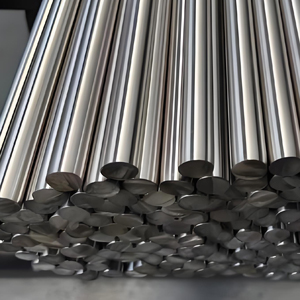
Lifecycle Cost Comparison: Incoloy 825 vs Duplex Stainless Steel 2205 for Process Industries
Selecting the optimal alloy for critical components in aggressive chemical processing, oil and gas, or marine environments is a significant engineering decision. While initial material cost is a factor, focusing solely on upfront expenditure can be misleading. A true assessment requires a *Lifecycle Cost Analysis (LCCA)*, considering every phase from purchase to decommissioning. This analysis compares their lifecycle costs based on verified properties and application suitability. Material Composition and Properties: Setting the Stage The fundamental differences in composition dictate performance and cost implications: Duplex Stainless Steel 2205: This alloy offers a dual-phase microstructure (approximately 50% austenite, 50% ferrite). Key constituents are Chromium (22%), Molybdenum (3%), Nickel (5%), and Nitrogen (0.15%). This combination provides high strength (often twice that of standard austenitic steels), good corrosion resistance, particularly to chloride stress corrosion cracking (SCC), crevice corrosion, and erosion-corrosion. It features moderate thermal conductivity and expansion. Incoloy Alloy 825: A nickel-iron-chromium alloy with additions of Copper (1.5-3.0%) and Molybdenum (3%), balanced with Titanium for stability. Its higher Nickel content (38-46%) provides inherent resistance to reducing agents (like sulfuric and phosphoric acid), excellent resistance to oxidizing environments, particularly nitric acid, and outstanding resistance to stress corrosion cracking in various environments, including chlorides and hydroxides. It possesses lower strength than Duplex 2205 but higher toughness and ductility. Lifecycle Cost Components: Initial Material Acquisition Cost: * This is typically the most visible cost. * Duplex 2205 generally has a lower initial material cost per pound compared to Incoloy 825. This is primarily due to its significantly lower nickel content (5% vs ~42%). Nickel is a major cost driver in high-performance alloys. * Cost Consideration: While Duplex 2205 is cheaper upfront, the sheer tonnage required influences the absolute cost difference. For large projects, this difference can be substantial. Manufacturing & Fabrication …
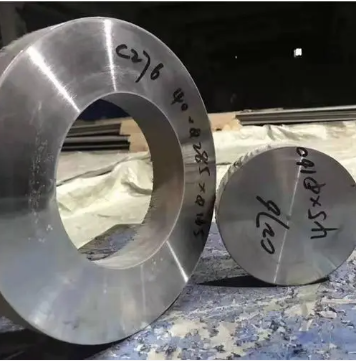
Corrosion Resistance of Hastelloy C-276 in Chemical Processing Environments: A Critical Material for Demanding Applications
The chemical processing industry continuously pushes the boundaries of technology and materials to operate efficiently under increasingly aggressive conditions. Processes involving strong acids, chlorides, oxidizing agents, and elevated temperatures pose significant challenges, demanding materials with exceptional corrosion resistance. Among the elite alloys employed, Hastelloy C-276, a nickel-chromium-molybdenum-tungsten alloy, consistently demonstrates superior performance. Its reliable resistance to a broad spectrum of corrosive environments ensures the integrity and longevity of processing equipment, minimizing downtime and maintenance costs. Understanding its capabilities is vital for engineers and designers operating in harsh chemical sectors. Introduction: The Importance of Material Selection in High-Aggression Environments Corrosion represents a persistent threat to equipment reliability and operational safety within chemical plants, pharmaceutical manufacturing facilities, and petrochemical refineries. Failure due to corrosion can lead to disastrous consequences, including leaks, unplanned shutdowns, environmental contamination, costly repairs, and significant financial losses. Consequently, selecting the optimal material for specific process streams is a paramount engineering decision. Nickel-based superalloys like the Hastelloy family offer inherent advantages that stainless steels cannot match when faced with severe corrosive conditions. Hastelloy C-276 stands out for its versatility and robustness. Hastelloy C-276: Composition and Properties Developed by Haynes International, Hastelloy C-276 (UNS N10276) belongs to the Hastelloy family of nickel-based alloys, specifically designed for outstanding corrosion resistance in challenging media. Its typical composition includes: * Nickel (Ni): Base (~50-58%). Provides inherent resistance to reducing acids and alkaline solutions, forming solid solutions with other elements. * Chromium (Cr): ~14.5-16.5%. Enhances resistance to oxidizing environments and improves general corrosion resistance. * Molybdenum (Mo): ~15-17%. Primarily responsible for exceptional resistance to reducing acids and pitting/crevice corrosion. Forms stable protective layers. * Tungsten (W): ~3-4.5%. Acts synergistically with molybdenum, further boosting localized attack resistance. * Iron (Fe): ~4-7%. Minor content; balances cost and metallurgical properties. * Low …
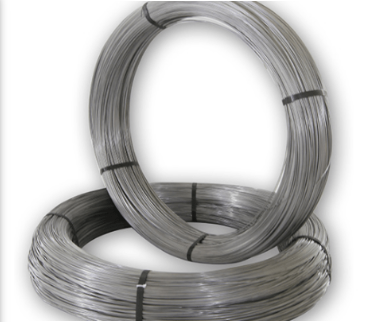
Sigma Phase Formation in Incoloy 925: Prevention Through Heat Treatment Optimization
Incoloy 925, a nickel-iron-chromium alloy modified with molybdenum, copper, and titanium, occupies a vital niche within the family of high-performance Incoloy alloys. Its robust combination of exceptional corrosion resistance (particularly against sour gases like H2S and chlorides), high strength, and resistance to stress-corrosion cracking makes it indispensable for demanding applications in the oil and gas industry, chemical processing plants, marine environments, and power generation. This alloy performs reliably under severe conditions involving elevated temperatures and pressures, solvent extraction, and sour service environments. However, like many superalloys containing significant amounts of chromium and molybdenum, Incoloy 925 faces a critical metallurgical challenge: the potential formation of detrimental sigma (σ) phase during service or improper thermal processing. This article focuses on understanding sigma phase formation in Incoloy 925 and, crucially, how heat treatment optimization serves as the primary tool for its prevention. Understanding the Sigma Phase Problem Sigma phase is a hard, brittle intermetallic compound typically rich in chromium and molybdenum. Its crystal structure (tetragonal) and inherent brittleness starkly contrast with the ductile austenitic matrix of Incoloy 925. * Origin: Sigma phase primarily precipitates during long-term exposure within a specific critical temperature range, typically between approximately 590°C (1100°F) and 870°C (1600°F). Below and above this range, the phase is generally either thermodynamically unstable or dissolves very slowly. Its formation is diffusion-controlled, meaning it nucleates and grows at grain boundaries and other microstructural defects over time, particularly during slow cooling through the critical range or prolonged service exposure within it. * Impact: The presence of sigma phase is detrimental because: * Loss of Ductility and Toughness: The brittle sigma particles act as points for crack initiation and propagation, dramatically reducing the alloy’s impact resistance, fracture toughness, and overall ductility. This embrittlement compromises component integrity, making it susceptible to catastrophic …
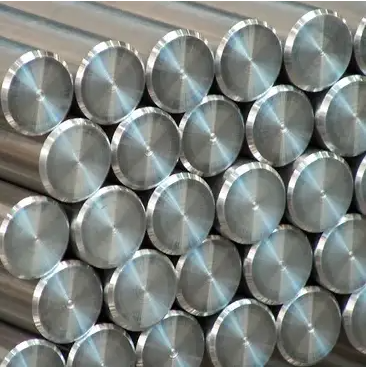
AMS5663 Inconel 718: Properties, Applications, and Material Specifications
What Is AMS5663? AMS5663 is an aerospace material specification developed by SAE International for precipitation-hardened nickel alloy Inconel 718 (UNS N07718). This specification is widely used for high-strength alloy bars, forgings, and rings intended for demanding aerospace, energy, marine, and industrial applications. Inconel 718 is a nickel-chromium alloy known for its excellent combination of: High tensile strength Corrosion resistance Oxidation resistance Fatigue resistance Weldability Long-term structural stability Because of these characteristics, AMS5663 material is commonly selected for components operating in high-temperature and high-pressure environments. AMS5663 Equivalent Materials AMS5663 is commonly associated with the following material designations: Standard Equivalent Grade UNS N07718 DIN/W.Nr 2.4668 Common Trade Name Inconel 718 Chinese Grade GH4169 According to material information published by HQ Special Alloys, Inconel 718 is also supplied under specifications including ASTM B637, AMS 5662, AMS 5663, and AMS 5832. Chemical Composition of AMS5663 Inconel 718 The alloy composition of Inconel 718 provides excellent mechanical properties and corrosion resistance across a wide temperature range. Typical chemical composition includes: Element Content (%) Nickel + Cobalt 50.0 – 55.0 Chromium 17.0 – 21.0 Molybdenum 2.8 – 3.3 Niobium + Tantalum 4.75 – 5.5 Titanium 0.65 – 1.15 Aluminum 0.2 – 0.8 Iron Balance These values are consistent with the material data published by HQ Special Alloys for Inconel 718 products. Key Properties of AMS5663 Material Excellent High-Temperature Strength AMS5663 Inconel 718 maintains high tensile, creep, and fatigue strength at temperatures up to approximately 700°C. This makes it suitable for aerospace engines and gas turbine systems. Outstanding Corrosion Resistance The alloy demonstrates strong resistance to: Stress corrosion cracking Pitting corrosion Oxidation Marine atmospheric corrosion Its nickel-chromium composition allows stable performance in harsh industrial environments. Good Weldability Unlike many precipitation-hardened superalloys, Inconel 718 offers good weldability and can be processed using: GTAW GMAW Resistance welding Electron beam …
Haynes 230 Alloy: Superior High-Temperature Performance for Demanding Applications
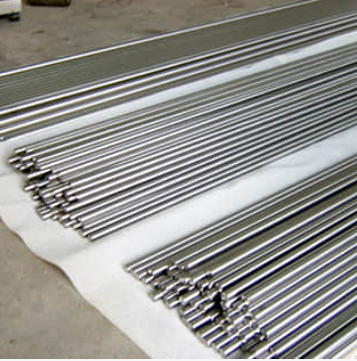
Haynes 230 (UNS N06230) is a premier nickel-chromium-tungsten-molybdenum solid-solution strengthened superalloy renowned for its exceptional combination of high-temperature strength, outstanding oxidation resistance, and excellent thermal stability. Engineered to perform reliably in the most extreme environments, it is a critical material across aerospace, energy, and industrial sectors. Unmatched High-Temperature Capabilities Haynes 230 excels where temperatures soar. Its key strength lies in its ability to maintain remarkable mechanical integrity at temperatures up to 1177°C (2150°F). This is primarily achieved through: Solid-Solution Strengthening: High levels of tungsten (13-15%) and molybdenum (1-3%) dissolved in the nickel-chrome matrix provide exceptional resistance to deformation and creep under sustained load at elevated temperatures. Superior Oxidation & Corrosion Resistance: A high chromium content (20-24%) enables the formation of a dense, adherent chromium oxide (Cr₂O₃) scale. This protective layer effectively shields the base metal from oxidation, carburization, and nitriding in harsh atmospheres, including those containing sulfur. The strategic addition of lanthanum (La) further enhances the scale’s adhesion and spallation resistance during thermal cycling. Long-Term Thermal Stability: Haynes 230 exhibits minimal microstructural degradation over prolonged exposure to high heat, ensuring consistent performance and dimensional stability critical for components in gas turbines and industrial furnaces. Key Properties and Advantages High Strength: Delivers impressive tensile and yield strength from room temperature up to its maximum service temperature (e.g., ≥ 795 MPa UTS at room temperature). Exceptional Creep Resistance: Withstands long-term stress at high temperatures without significant deformation. Outstanding Oxidation Resistance: Proven performance in air up to approximately 1177°C (2150°F). Good Fabricability: Exhibits better formability and weldability (using processes like GTAW/TIG with matching filler metals like ERNiCrWMo-1) compared to many precipitation-hardened superalloys, though strict process controls are essential. Thermal Stability: Maintains ductility and toughness after extended high-temperature service. Primary Applications Haynes 230 is the material of choice for …
Unveiling the Powerhouse: Alloy 188 Bar for Demanding Applications
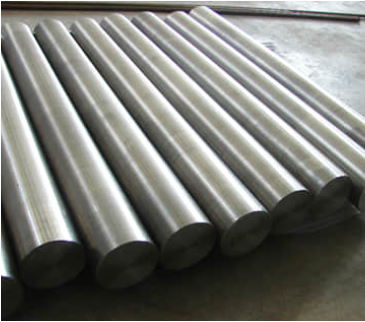
In the realm of high-performance materials engineered to withstand extreme conditions, Alloy 188 bar stands out as a premier solution. This cobalt-nickel-chromium superalloy offers a unique combination of properties, making it indispensable for critical applications across aerospace, industrial gas turbines, and other demanding sectors.
Hastelloy Alloys: Powering Industry Through Extreme Conditions
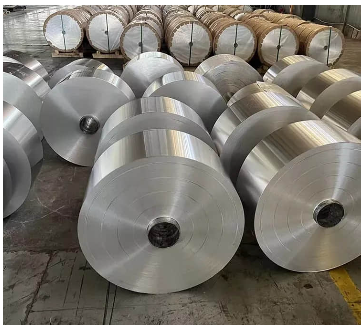
In the demanding world of high-performance materials, Hastelloy alloys stand as a cornerstone of reliability. Understanding their properties, applications, and evolving trends is key for engineers and industries pushing technological boundaries…
Demystifying Grade 660A Steel: High-Strength Structural Steel
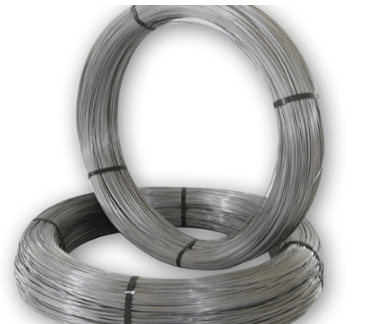
Within the vast landscape of structural steels, Grade 660A stands out as a high-strength, low-alloy (HSLA) steel designed for demanding applications. Governed primarily by standards like ASTM A572, this grade offers a compelling combination of strength…
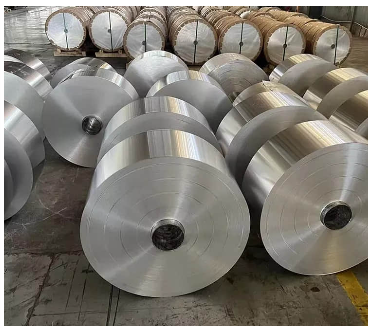
Inconel Alloys Properties, Applications, and Industry Standards
Inconel alloys represent a prestigious family of nickel-chromium-based superalloys renowned for their exceptional performance in the most demanding environments. These alloys are engineered to withstand extreme heat, corrosive chemicals, and high mechanical stress, making them indispensable across…
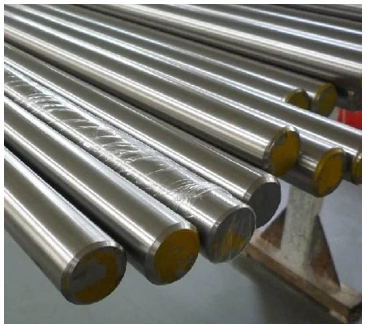
Nimonic 263: A Comprehensive Guide to the High-Performance Nickel-Based Super alloy
Nimonic 263, also designated as UNS N07263 and W. Nr. 2.4650, is a precipitation-hardened nickel-cobalt-chromium-molybdenum super alloy engineered to excel in extreme high-temperature environments…
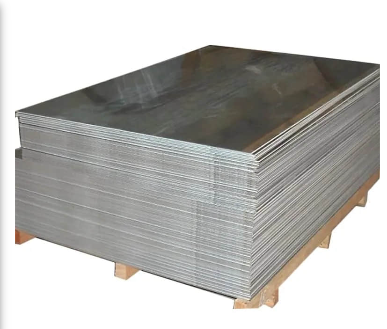
Nickel Alloy 718: The High-Performance Workhorse of Extreme Environments
In the demanding worlds of aerospace, energy, and chemical processing, where components face unrelenting combinations of high stress, corrosive media, and extreme temperatures, Nickel Alloy 718 (Inconel 718) stands as a preeminent engineering solution…
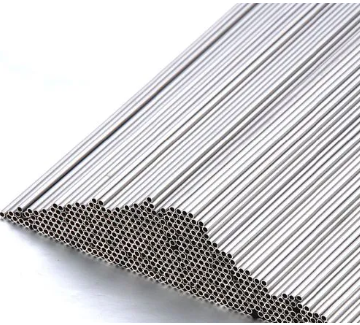
The Versatile Properties and Applications of Incoloy 800
In high-temperature and corrosive industrial environments, Incoloy 800 stands out due to its excellent comprehensive performance. This nickel-iron-chromium alloy is widely used in critical areas and is favored for its superior combination of characteristics, making it an ideal choice across multiple…
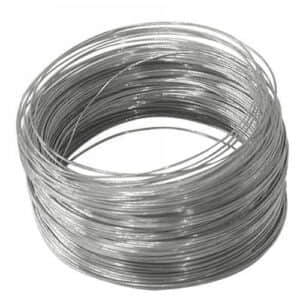
What do you know about Inconel 718
Inconel 718 (also known as UNS N07718 or GH4169) is a precipitation hardening nickel based high-temperature alloy. Since its development by International Nickel Corporation (INCO) in the late 1950s, it has become a core material in extreme working conditions such as aerospace and energy…
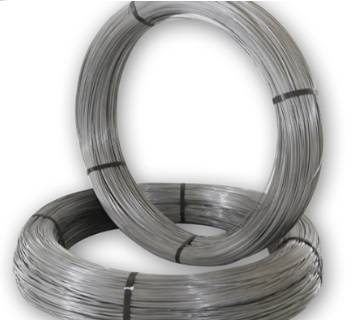
Understanding Duplex Stainless Steel
Duplex stainless steel represents a remarkable class of engineering materials prized for their exceptional combination of strength, corrosion resistance, and cost-effectiveness. Unlike traditional stainless steels which are either fully austenitic (like common 304/316) or fully ferritic, duplex steels ingeniously blend both phases in roughly equal proportions within their microstructure…
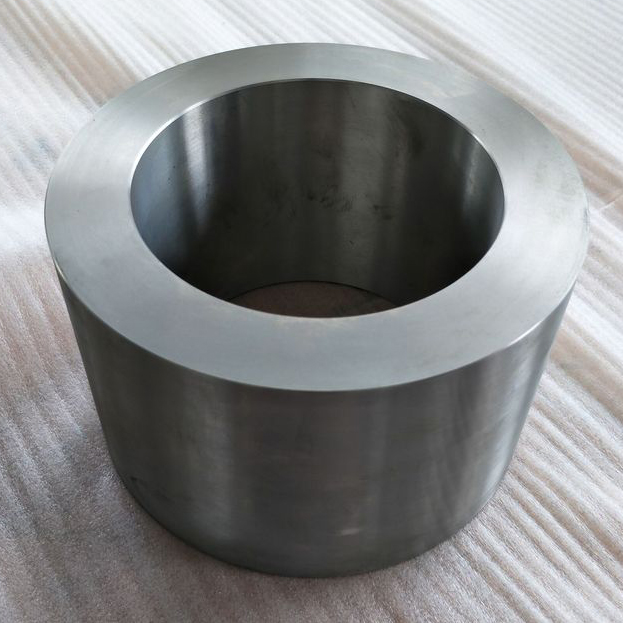
Haynes 188: The High-Temperature Powerhouse You Need to Know
In the relentless pursuit of materials that can withstand the most extreme environments, especially where scorching temperatures and corrosive elements reign supreme, superalloys stand as the champions of engineering….
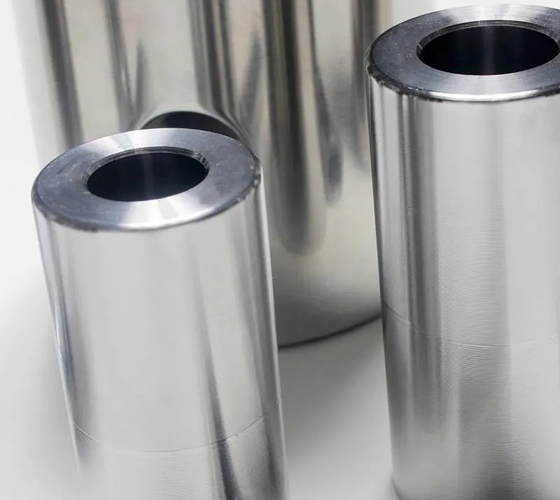
Evaluating Chloride Stress Corrosion Cracking Resistance of Incoloy Alloys: Insights from ASTM G36 Testing
Chloride Stress Corrosion Cracking (Cl-SCC) remains a significant challenge for high-performance alloys operating in demanding environments, particularly those involving chlorides, elevated temperatures, and tensile stresses. Industries such as chemical processing, oil and gas, marine engineering, and power generation frequently encounter these conditions.
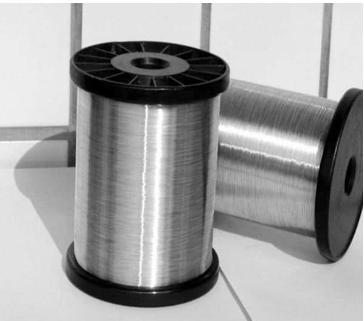
Unlocking Extreme Heat: The Powerhouse Alloy 188
Alloy 188, a remarkable nickel-chromium superalloy engineered for peak performance where heat and corrosion reign supreme.